Key takeaways
- Never plug a generator into a wall outlet. Backfeeding can injure utility workers and damage equipment.
- An interlock kit lets your main panel run from a generator safely, often at a lower cost than a transfer switch.
- Standby generators use an automatic transfer switch that starts the generator when the power fails.
Storms, ice and wind take down power lines across Niagara every year, and rural and lakeshore homes often wait longest for power to come back. A generator keeps the essentials running, but only if it is connected safely.
The dangerous way: backfeeding
Plugging a generator into a wall outlet with a double-ended cord, sometimes called a suicide cord, sends power backward through your panel and out onto the utility lines. That can electrocute line crews working to restore power, start fires and damage your generator and equipment when power returns. Never do it.
Option 1: interlock kit
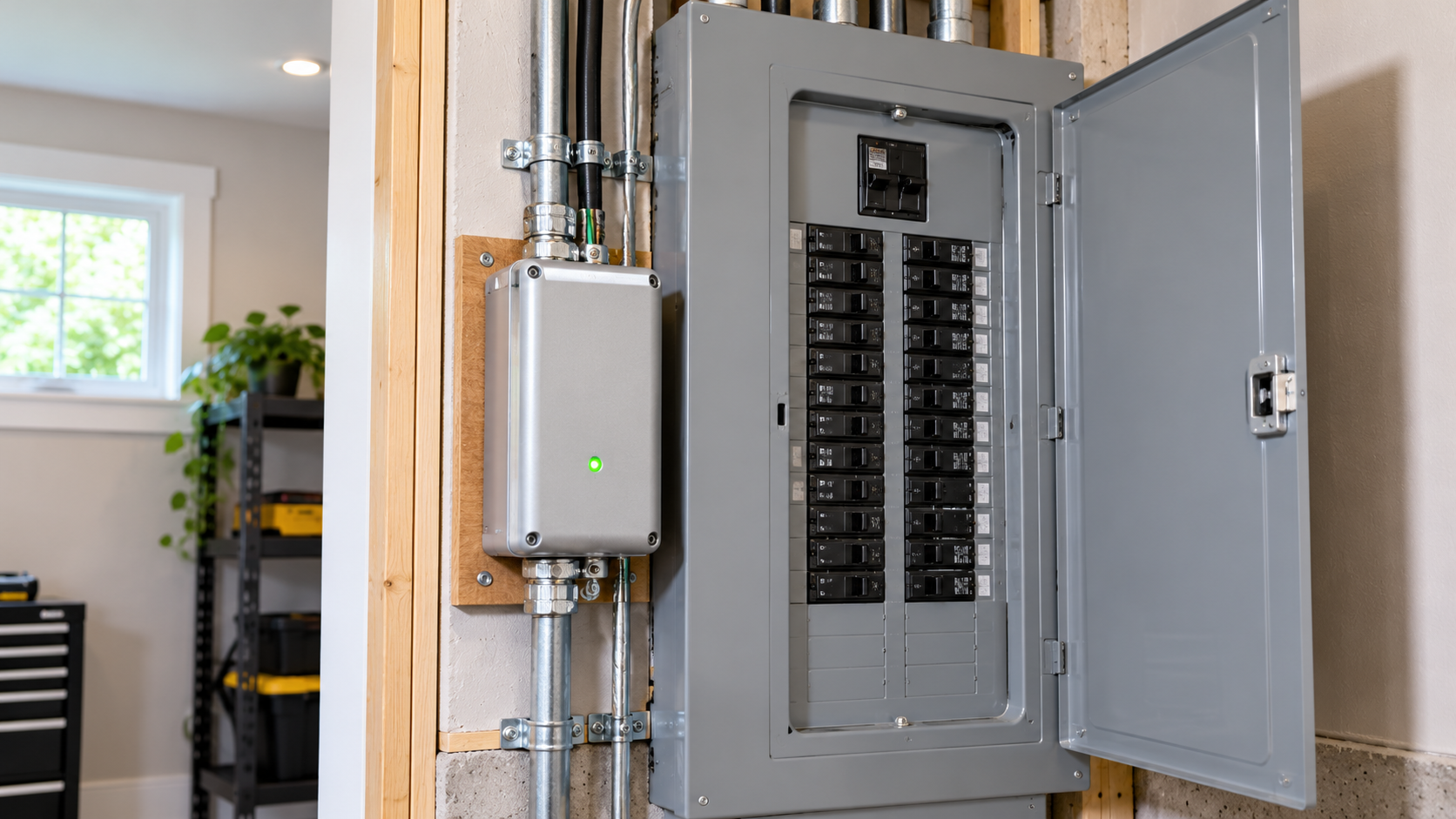
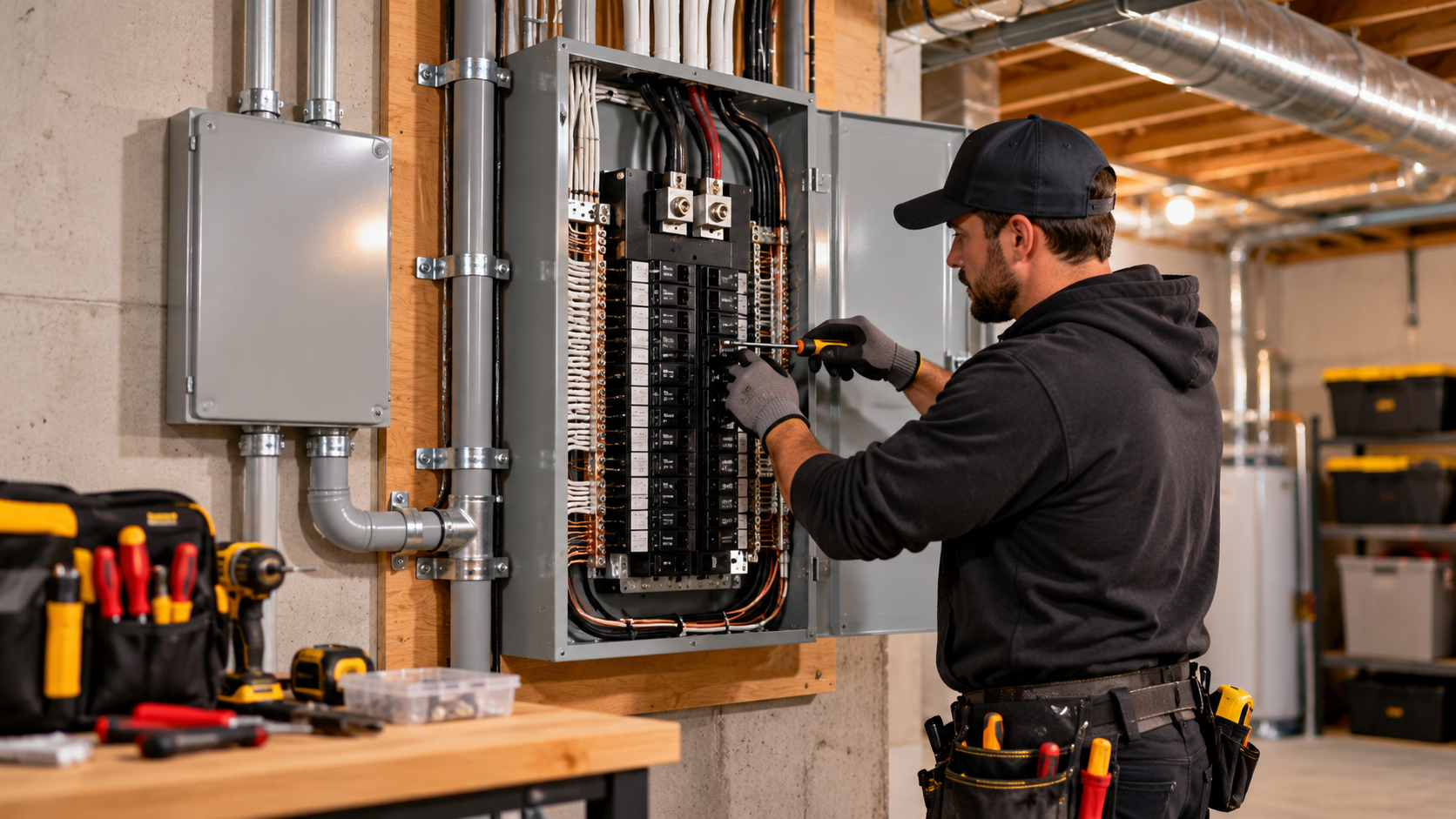
An interlock is a mechanical plate installed on your main panel. It physically prevents the main breaker and the generator breaker from being on at the same time, so you can never feed the grid. A generator inlet is installed outside, and you connect your portable generator to it with a proper cord.
- Lets you choose which circuits to run by switching breakers
- Usually the most affordable safe option for portable generators
- Requires a compatible panel
Option 2: manual transfer switch
A manual transfer switch is a separate panel wired to selected circuits, such as the furnace, sump pump, fridge and some lights. You start the generator and flip the switches to move those circuits to generator power.
Option 3: standby generator with an automatic transfer switch
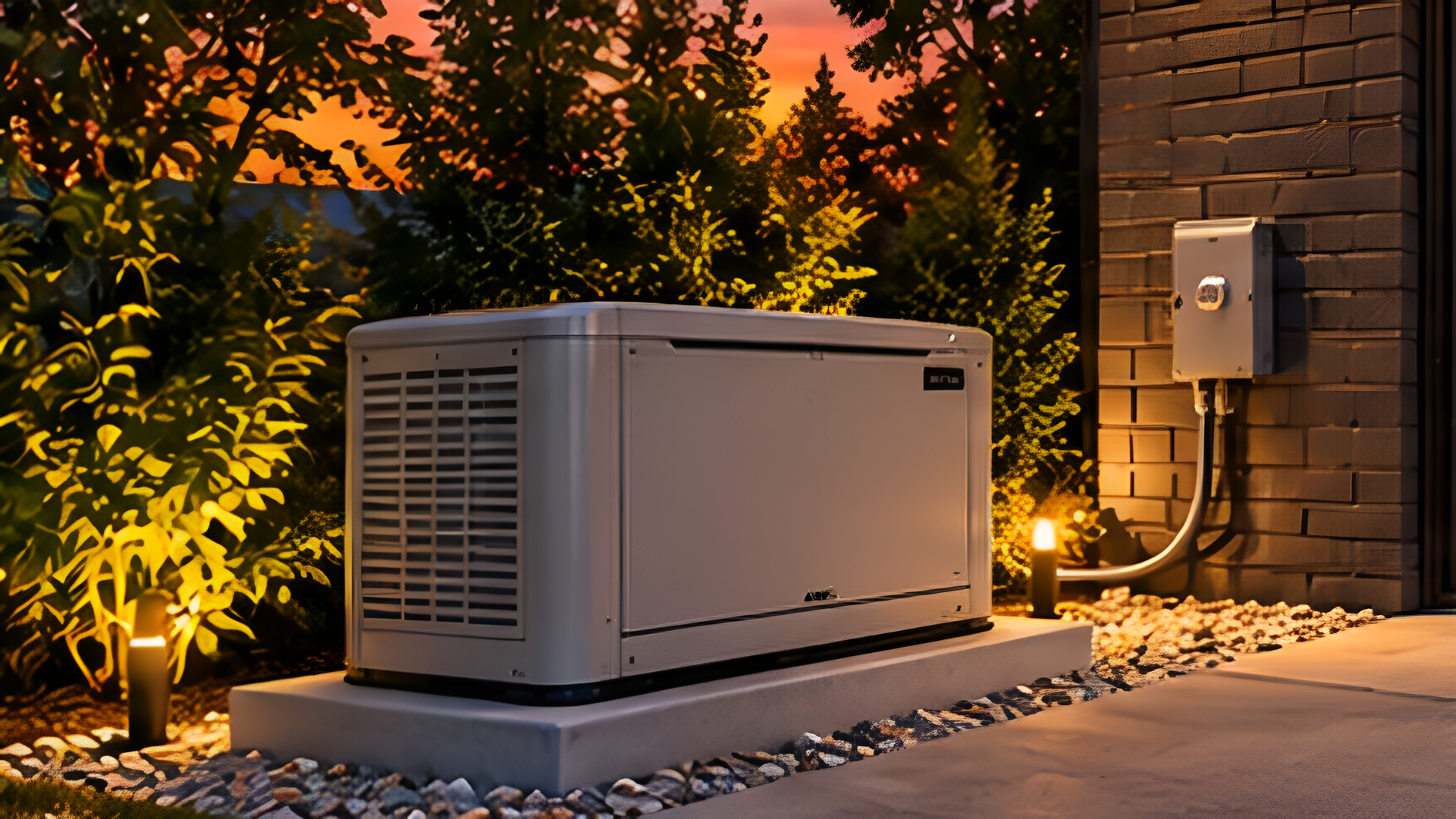
A permanently installed standby generator, from brands such as Generac, runs on natural gas or propane and connects through an automatic transfer switch. When the power fails, the generator starts and takes over within moments, with no cords and no one needing to be home.
Which circuits matter most?
For most Niagara homes: the furnace, the sump pump, the fridge and freezer, some lights and outlets, and the well pump on rural properties. We help you match your generator size to what you need to run.
Permits and safety
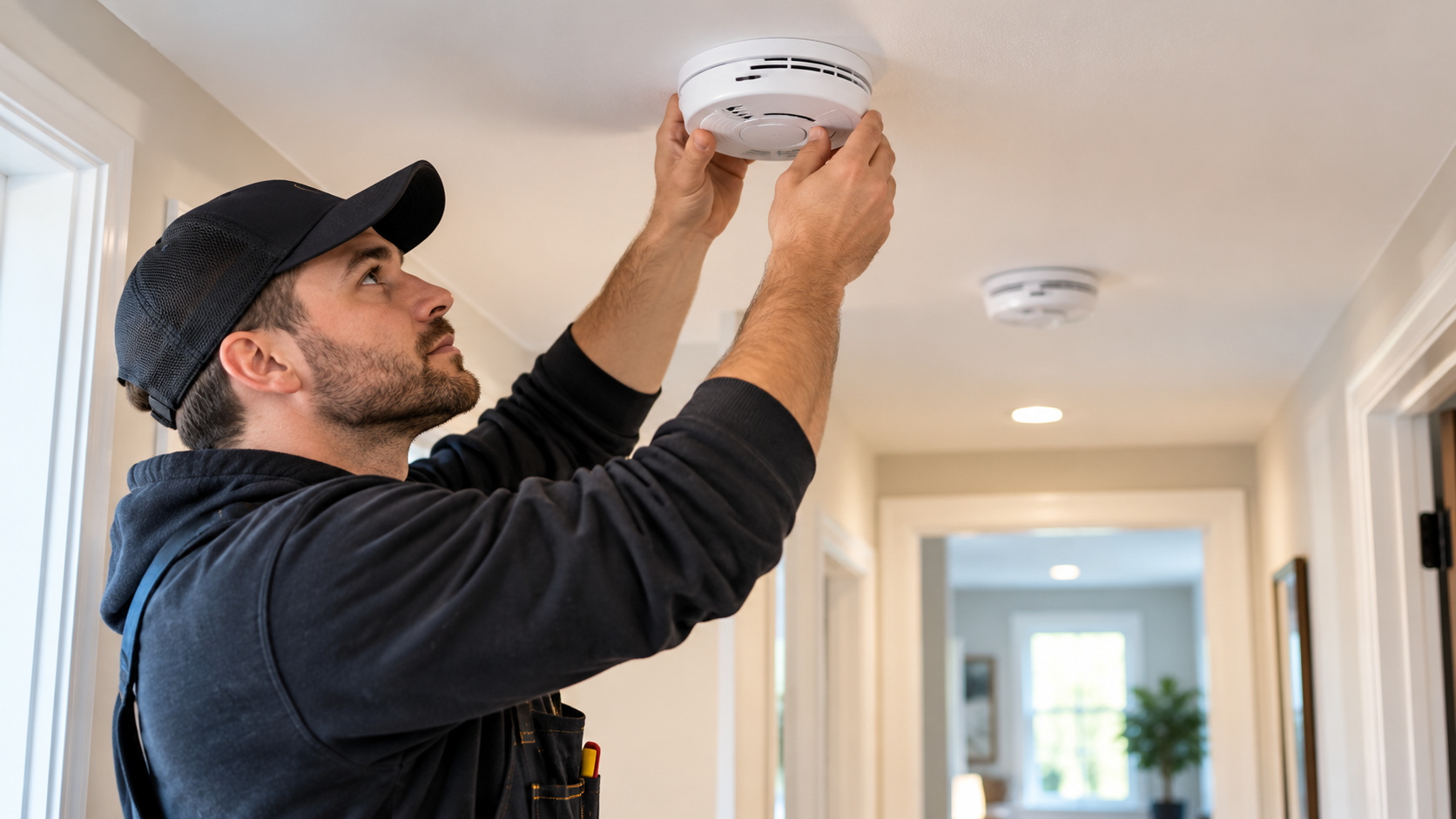
Generator connections require an ESA permit and inspection. Portable generators must always run outdoors, well away from windows and doors, because of carbon monoxide. Make sure your CO alarms are working.
FM Electric installs generator inlets, interlocks and transfer switches across Niagara, including Port Colborne, Wainfleet, Fort Erie and West Lincoln. See our generator connection service or call (905) 931-4522.
Frequently asked questions
Is a generator interlock kit legal in Ontario?
Yes, when it is a listed interlock compatible with your panel and installed by a licensed electrician under an ESA permit.
What size generator do I need?
It depends on what you want to run. Furnace, sump pump, fridge and a few lights need far less than a whole home. We help you match the generator to your essentials.