Key takeaways
- A Level 2 charger on a dedicated 240 V circuit charges far faster than a standard household outlet.
- Your panel capacity is the first thing to check. Load management can avoid a service upgrade in many homes.
- Installing an EV charger in Ontario requires an ESA permit and inspection.
More Niagara drivers are switching to electric, and most charging happens at home. A properly installed Level 2 charger is the single best upgrade for an EV owner. Here is what to know before you book.
Level 1 versus Level 2
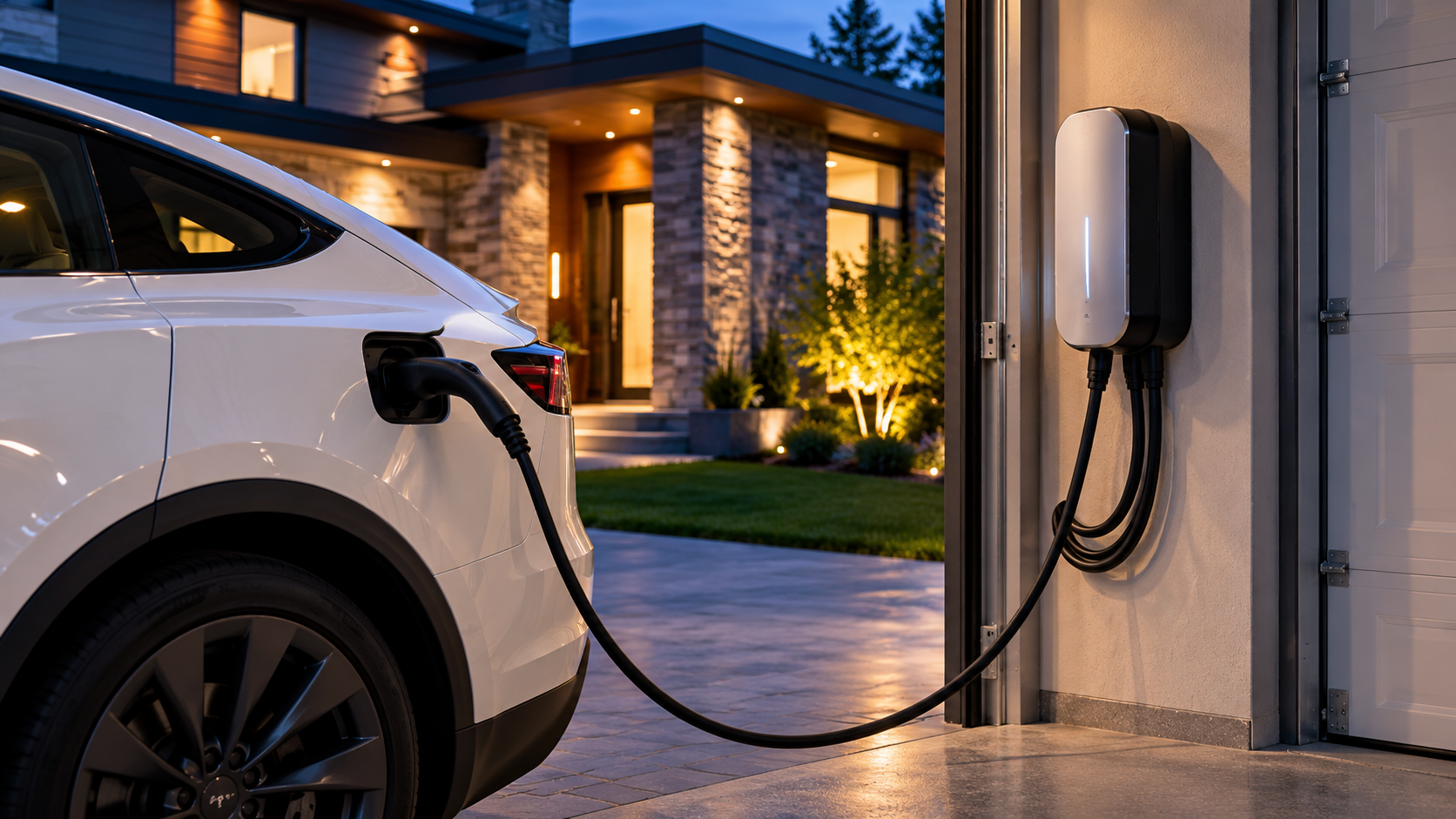
Level 1 uses a regular 120 V outlet and the cord that came with the car. It works, but it adds range slowly. Level 2 uses a dedicated 240 V circuit and a wall-mounted charger, and it can typically refill a day's driving overnight with time to spare. Tesla's Wall Connector and most other home chargers are Level 2.
Step one: check your panel
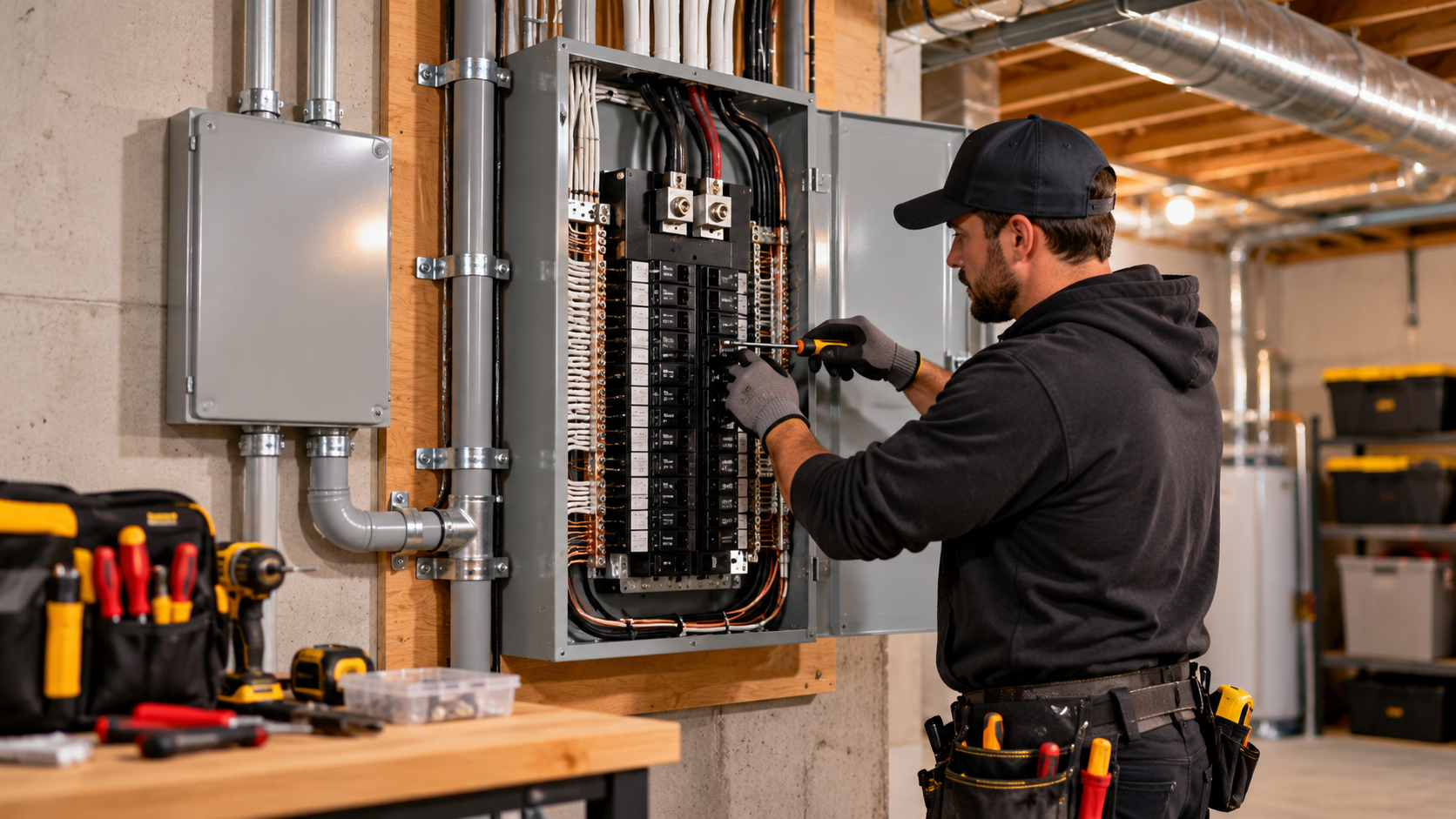
A Level 2 charger is one of the largest loads in a home. Before installing anything, we do a load calculation to see how much capacity your panel and service have. There are three common outcomes:
- There is room. We install a dedicated circuit sized for your charger.
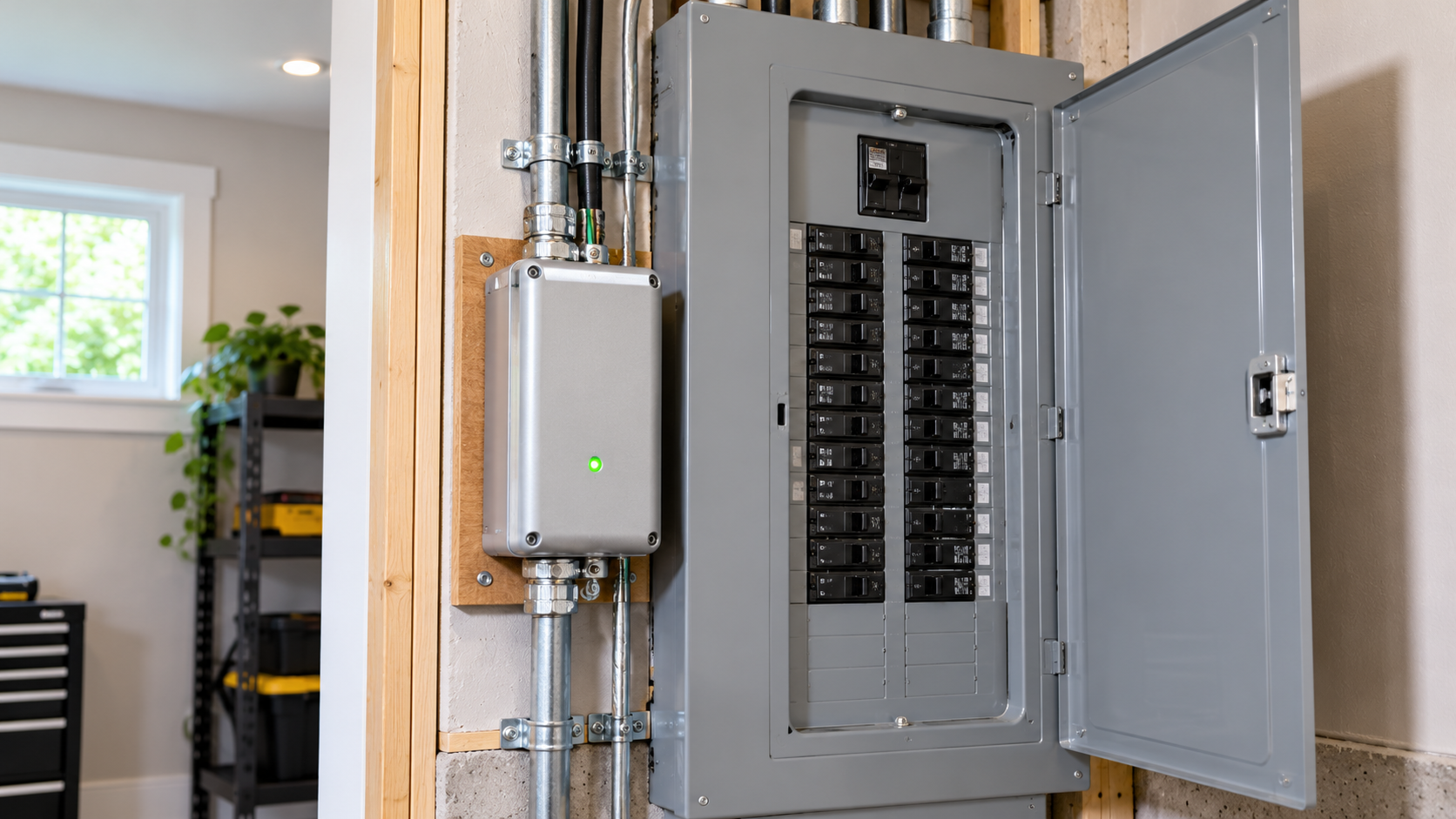
- It is tight. A load management device or a charger with load sharing can cap charging when the rest of the house is busy, often avoiding a service upgrade.
- There is no room. A panel or service upgrade comes first.
Choosing a charger
Hardwired chargers are common and tidy. Plug-in chargers on a 240 V receptacle are also an option. Look for a charger certified for use in Canada, with a cable long enough to reach your car's charge port wherever you park. We install the charger you choose, or help you compare options before you buy.
Location and wiring
Garage installs are the most common. Driveway and exterior installs need equipment rated for outdoor use and wiring protected from damage. The distance from the panel to the charger affects the wire size and labour.
Permits
An EV charger circuit requires an ESA notification and inspection. As a Licensed Electrical Contractor, we file it and arrange the inspection. Read more about ESA permits.
What affects the cost
- The charger you choose
- Panel capacity, and whether load management or an upgrade is needed
- The distance and route from the panel to the parking spot
- Indoor or outdoor installation
Are there rebates?
Ontario does not currently offer a provincial rebate for home EV chargers. Some utilities and employers have run their own programs, and programs for workplaces and multi-unit buildings exist at times, so it is worth checking with your utility before you buy.
Charging costs
Charging at home on Ontario's Ultra-Low Overnight plan can cost a fraction of what you spend on gas. Read our guide to the cheapest time to charge, or try the EV savings calculator on our home page.
FM Electric installs Level 2 chargers across the Niagara Region. See our EV charger installation service or call (905) 931-4522.
Frequently asked questions
Do I need a permit to install an EV charger in Ontario?
Yes. Installing an EV charger circuit requires an ESA notification and inspection. A licensed contractor files it for you.
Can you install a Tesla Wall Connector?
Yes. We install Tesla Wall Connectors and other Level 2 chargers, sized to your panel and vehicle.
Is there a rebate for home EV chargers in Ontario?
There is no provincial rebate for home chargers at the moment. Check with your local utility and employer for any current programs.